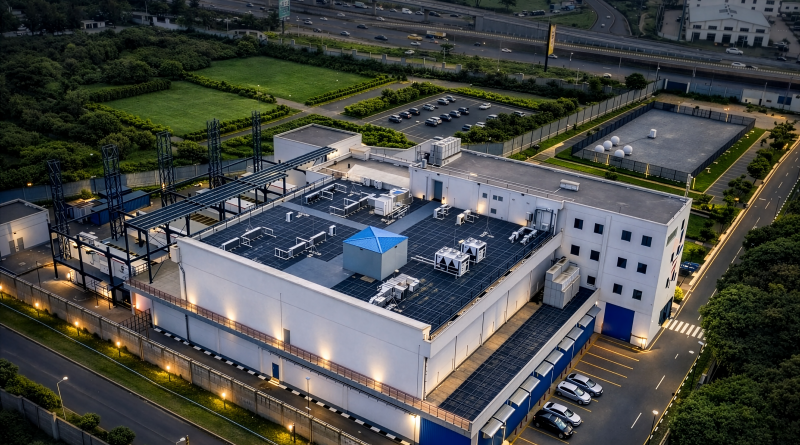
The City of Cape Town has cleared two hyperscale campuses drawing roughly 174MW combined, among the largest new individual loads on the African grid. The approvals land against McKinsey projections that continental installed capacity grows from about 0.4GW today to 1.5–2.2GW by 2030, needing an estimated $10–20bn of investment.
South Africa hosts about 70% of Africa’s data centres and has drawn commitments from Microsoft and Amazon, with the market expected to roughly double to $5bn by 2031. Reuters reports the build-out is colliding with the country’s electricity and water constraints, raising the question of whether new load competes with households already exposed to outages and drought.
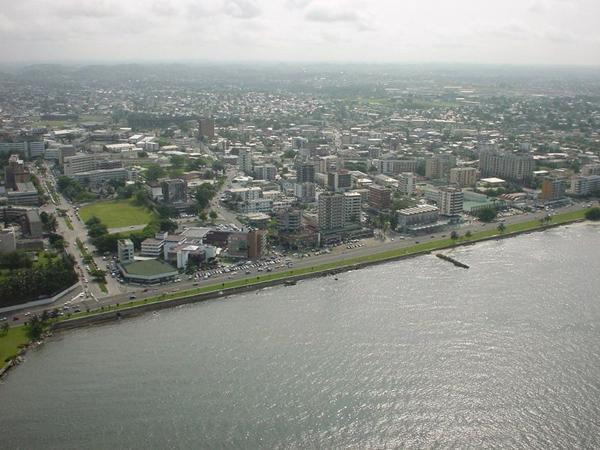
ST Digital opened a sovereign Tier III facility in the Nkok Special Economic Zone near Libreville, with about 1MW of power, 92 racks and capacity for roughly 3,000 servers, on an investment of 8bn CFA francs. Around 95% of data generated in Gabon has been hosted abroad, and the ICT ministry signed an MoU giving startups discounted access.
Airtel is putting $120m into a 38MW facility at Eko Atlantic, designed for AI compute rather than general cloud storage, and targeted to be operational by the end of 2026. It would be the largest data centre in Nigeria and the first of five hyperscale sites the group has flagged for Africa.
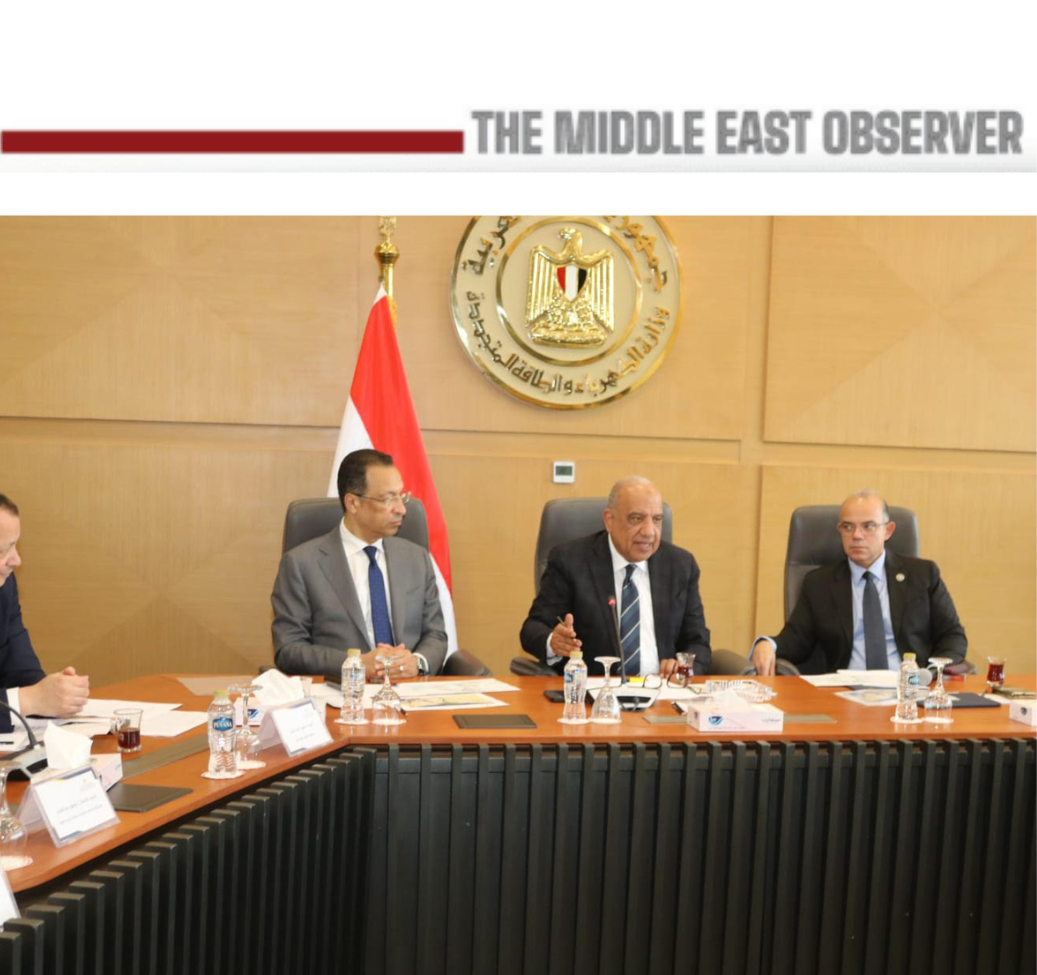
Three ministries are jointly building an investment map of sites suitable for large-scale facilities, leaning on a renewable build-out targeted to reach 45% of the energy mix within two years. The strategy is explicitly about becoming a regional hub rather than only serving domestic demand.
The National Telecommunications Regulatory Authority granted Hassan Allam Digital Infrastructure a licence to build and operate data centres and sell cloud services, with $400m committed to the first phase. It is the tenth such licence issued in two years, aimed at serving government and enterprise demand onshore.
The facility, inaugurated in Victoria, is built with redundant power, cooling and network paths and is pitched at regional clients needing secure hosting for cloud, financial and government workloads. For a market of under 100,000 people, the bet is that connectivity and stability, not domestic demand, are what fill the racks.
The State Department for ICT brought operators and cloud providers, iXAfrica, Digital Realty and Oracle among them, into a strategic forum on data centre expansion. The stated aim is a policy framework that positions Kenya as the continent’s digital hub and pulls in foreign investment in compute.
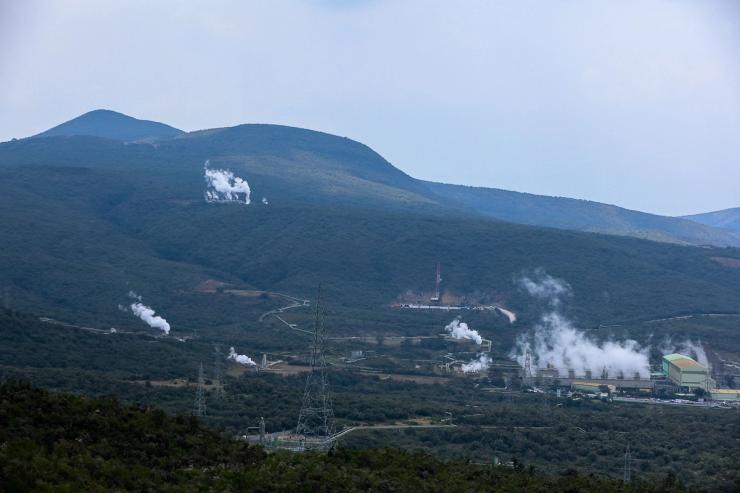
President William Ruto said the geothermal-powered campus planned with Microsoft and Abu Dhabi’s G42 would draw about a third of Kenya’s roughly 3,000MW of installed generation. His framing was blunt: switching the site on would mean switching off power for half the country, leaving the project unlikely to proceed as designed.
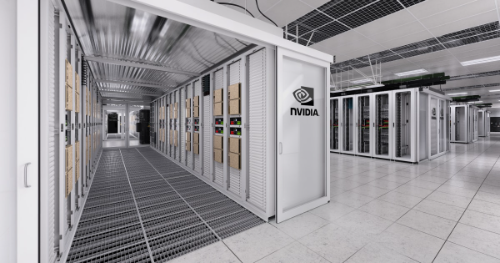
The Nexus AI Factory, backed by Nexus Core Systems, Nvidia, Naver and Lloyd Capital, will sit outside Casablanca and serve EMEA. It opens with 40MW of AI compute on Nvidia Blackwell GB200 hardware and is planned to reach 500MW on renewable supply from TAQA.
Oracle launched a public cloud region hosted by N+ONE Datacenters in Casablanca, the first full hyperscaler region in North Africa, with a second planned for Settat. It moves Morocco from "hyperscaler-adjacent" to hyperscaler-present, the shift that separates the top of this index on connectivity from the rest.
NCC board chairman Idris Olorunnimbe and executive vice chairman Aminu Maida visited Airtel’s Lekki facility for a briefing on infrastructure and network expansion plans. Visits like this are the visible end of operator-regulator alignment, which is what decides how fast new capacity clears approval.
Digital transition minister Amal El Fallah Seghrouchni launched studies for what Morocco bills as Africa’s largest data centre, targeting 500MW by 2030. The design is entirely renewable-powered and cooled with Atlantic seawater, positioned as a "data embassy" on the edge of the Sahel.
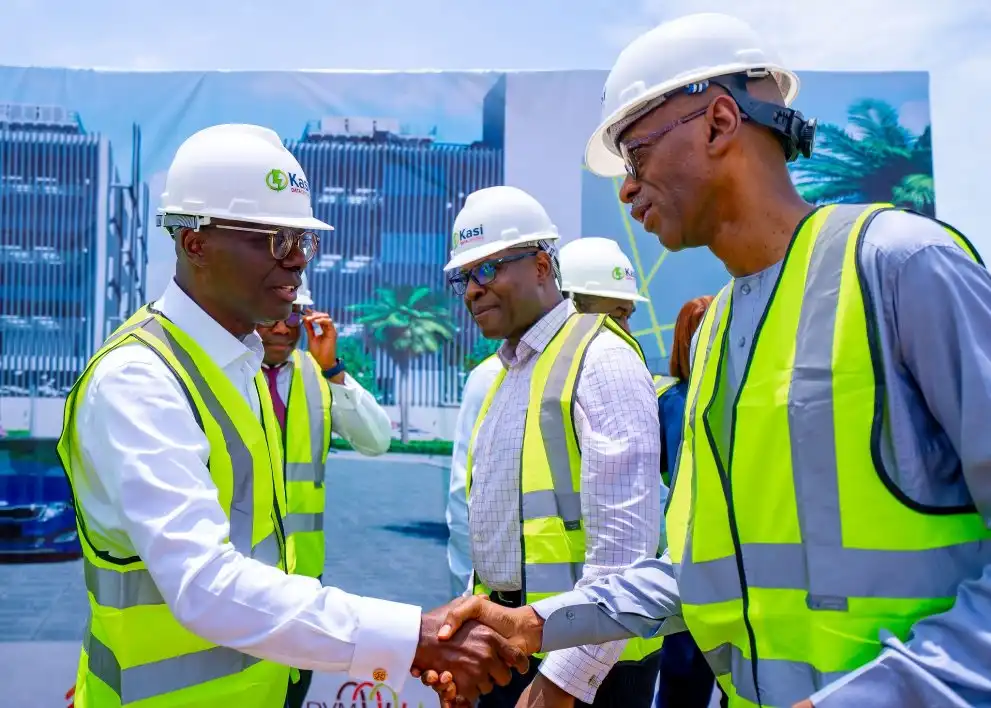
Kasi Cloud, backed by Nigeria’s sovereign wealth fund, is building a $250m hyperscale campus in Lekki against a grid that has never sustained more than about 6GW for 230m people. Diesel backup puts operators near $0.40 to $0.50 per kWh where competing markets pay $0.05 to $0.10, which is the gap the 320MW national pipeline has to absorb.
National Treasury has elevated data centre infrastructure to the same strategic tier as electricity, ports and transport, and is examining incentives to support the build-out. Around 55 facilities are already operating, with more than R50bn of investment expected over three years as Microsoft, Google and AWS expand cloud and AI capacity in the country.
The two are planning a $250m facility at Maadi Technology Park with about 25MW of IT load, which would be the country’s first hyperscale-class site. It marks Gulf operator capital entering the Egyptian market directly rather than through a local reseller.
Cavaleros has plans for 360MW in Cape Town and 200MW north of Johannesburg, while Teraco is targeting 500MW in total, 290MW of it new in Johannesburg. Together the announced pipeline adds roughly 1,000MW to national demand, about one stage of load shedding, and points to a supply squeeze by 2029 unless generation grows with it.
iXAfrica will act as host partner for an Oracle Cloud Infrastructure region in Nairobi, the country’s first public cloud region. It sits on a 22MW hyperscale, carrier-neutral campus built for AI workloads and tied to renewable supply, which moves latency-sensitive workloads onshore for the first time.
Operators have announced close to 2GW of Moroccan capacity, against a current continental footprint nearer 500MW, including Iozera’s $500m 386MW Tetouan site and Naver’s 500MW project. Proximity to Europe and subsea landings are the draw; generation and water availability are the constraints on actually building it.
L’Express argues the island’s AI ambitions need continuous baseload power that the current generation and transmission plan does not provide, and that ICT and energy policy are not being sequenced together. The risk it names is stranded assets: Tier IV capacity that cannot run at full load.
The operator committed $434m across four corridors: new subsea capacity and 5G-Advanced, an AI corridor with GPU clusters and Tier IV data centre space, a startup corridor and a payments corridor. Mauritius ranks third in Africa on the ITU ICT Development Index at 86.3, and the plan is explicitly about brokering traffic between Africa and Asia.
LG3 is the opening phase of a roughly $100m two-year African programme, with the Lagos site slated to open in Q1 2026. Separately Rack Centre began hosting EdgeNext’s CDN and cloud services locally, shortening delivery routes for gaming, fintech and content workloads.
ICT minister Emma Theofelus announced a national data centre as core infrastructure under the National Digital Strategy 2025 to 2029, with the ministry and the Prime Minister’s Office finalising the concept note and project proposal. Specifications and capacity were not disclosed; the country sits 114th on the UN e-Government Development Index.
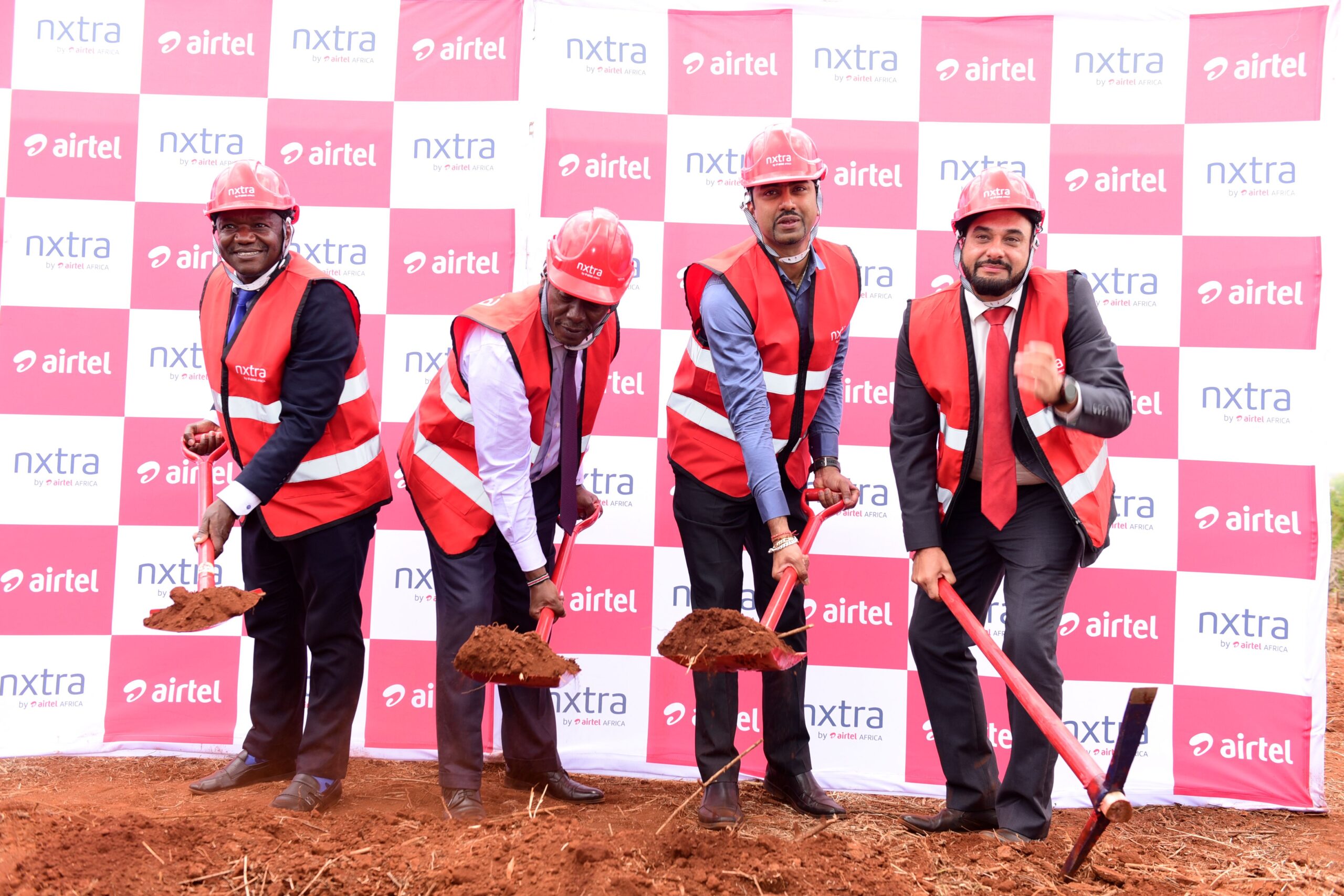
Airtel Africa’s data centre arm started work on a two-phase 44MW site outside Nairobi, ready for service in the first quarter of 2027. On completion it would pass iXAfrica’s 22.5MW facility as East Africa’s largest announced campus by installed power.

 South Africa