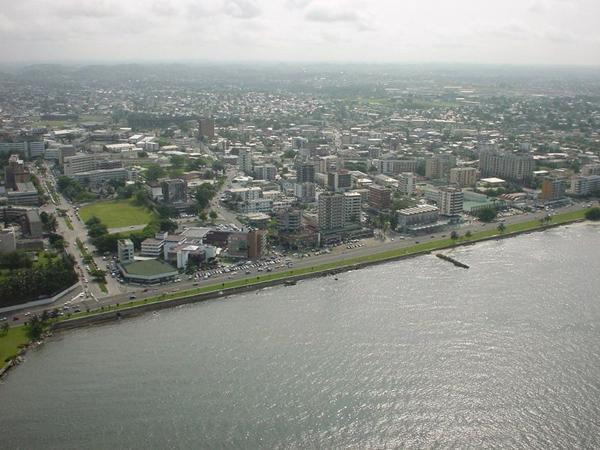
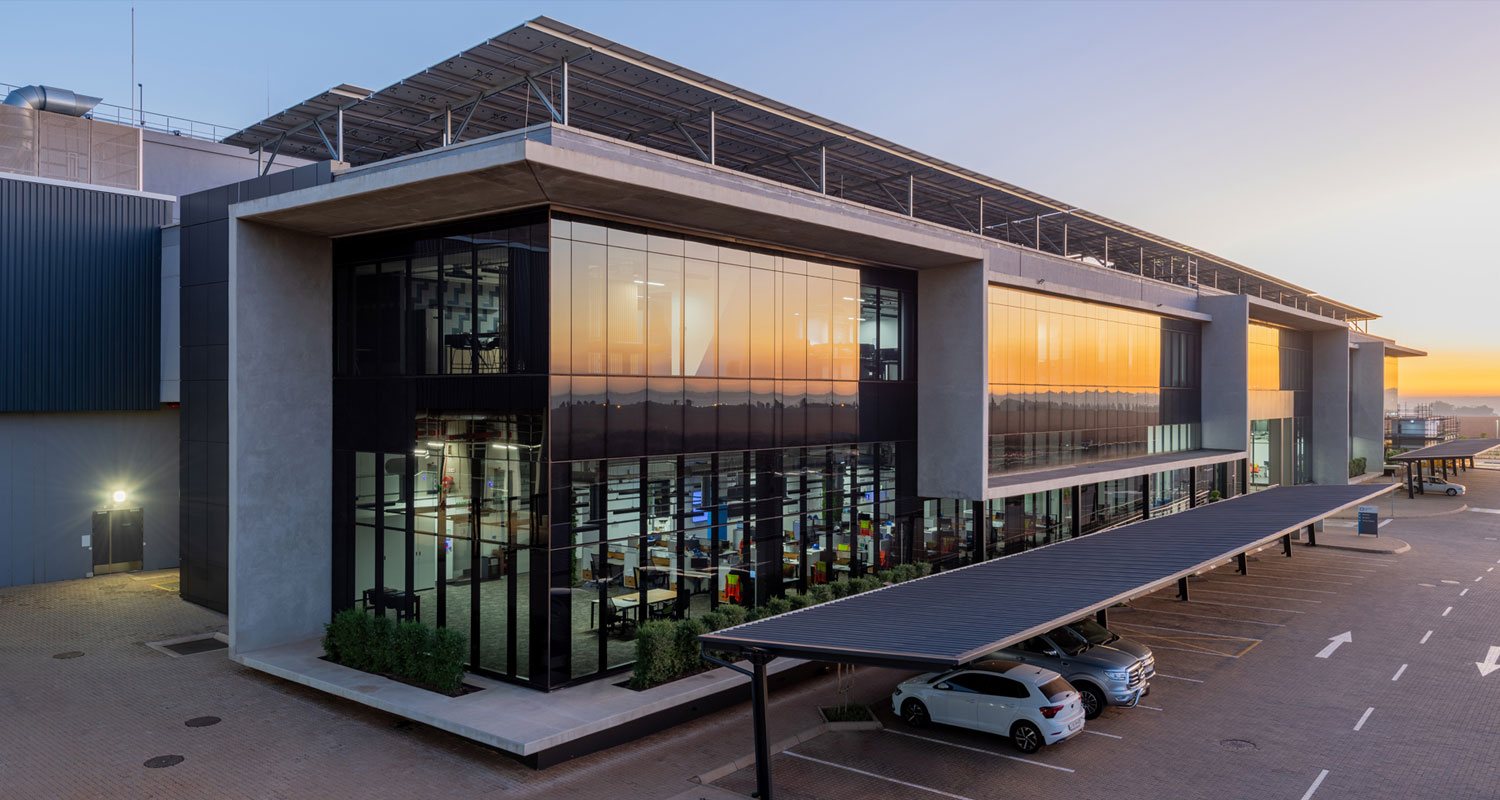
ST Digital opened a sovereign Tier III facility in the Nkok Special Economic Zone near Libreville, with about 1MW of power, 92 racks and capacity for roughly 3,000 servers, on an investment of 8bn CFA francs. Around 95% of data generated in Gabon has been hosted abroad, and the ICT ministry signed an MoU giving startups discounted access.
NCC board chairman Idris Olorunnimbe and executive vice chairman Aminu Maida visited Airtel’s Lekki facility for a briefing on infrastructure and network expansion plans. Visits like this are the visible end of operator-regulator alignment, which is what decides how fast new capacity clears approval.
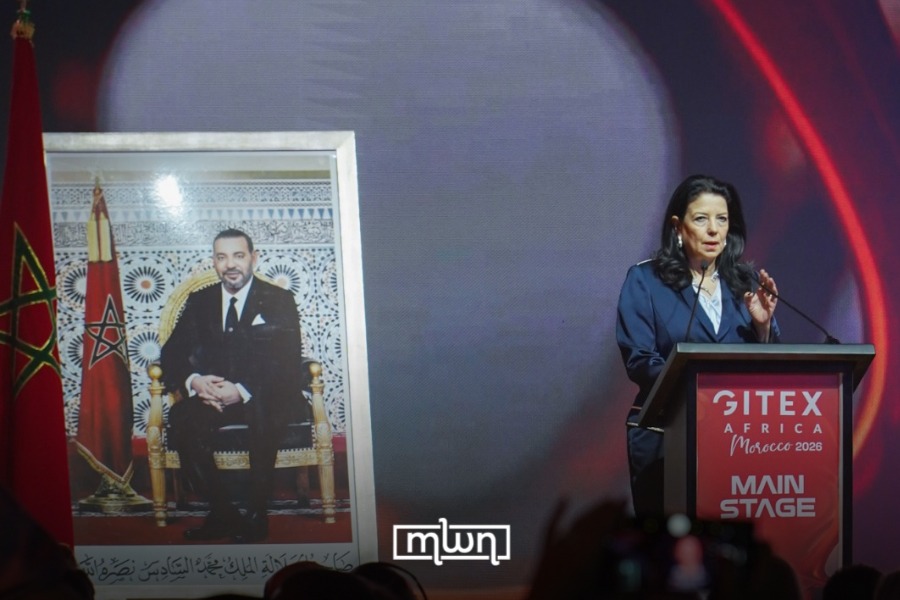
Digital transition minister Amal El Fallah Seghrouchni launched studies for what Morocco bills as Africa’s largest data centre, targeting 500MW by 2030. The design is entirely renewable-powered and cooled with Atlantic seawater, positioned as a "data embassy" on the edge of the Sahel.
National Treasury has elevated data centre infrastructure to the same strategic tier as electricity, ports and transport, and is examining incentives to support the build-out. Around 55 facilities are already operating, with more than R50bn of investment expected over three years as Microsoft, Google and AWS expand cloud and AI capacity in the country.
The two are planning a $250m facility at Maadi Technology Park with about 25MW of IT load, which would be the country’s first hyperscale-class site. It marks Gulf operator capital entering the Egyptian market directly rather than through a local reseller.
The operator committed $434m across four corridors: new subsea capacity and 5G-Advanced, an AI corridor with GPU clusters and Tier IV data centre space, a startup corridor and a payments corridor. Mauritius ranks third in Africa on the ITU ICT Development Index at 86.3, and the plan is explicitly about brokering traffic between Africa and Asia.
ICT minister Emma Theofelus announced a national data centre as core infrastructure under the National Digital Strategy 2025 to 2029, with the ministry and the Prime Minister’s Office finalising the concept note and project proposal. Specifications and capacity were not disclosed; the country sits 114th on the UN e-Government Development Index.
Work began at Nkok, 27km from Libreville, on a facility built with pan-African operator ST Digital to offer sovereign cloud to finance, healthcare and education. The stated aim was to keep regulated data inside national borders rather than in European or South African facilities.
Oracle set out an expansion of its research and development capability in Morocco, building toward a local engineering base of around 1,000 professionals. The hiring preceded the Casablanca cloud region by ten months and is the kind of skills anchoring that keeps a cloud investment from being purely a real-estate deal.
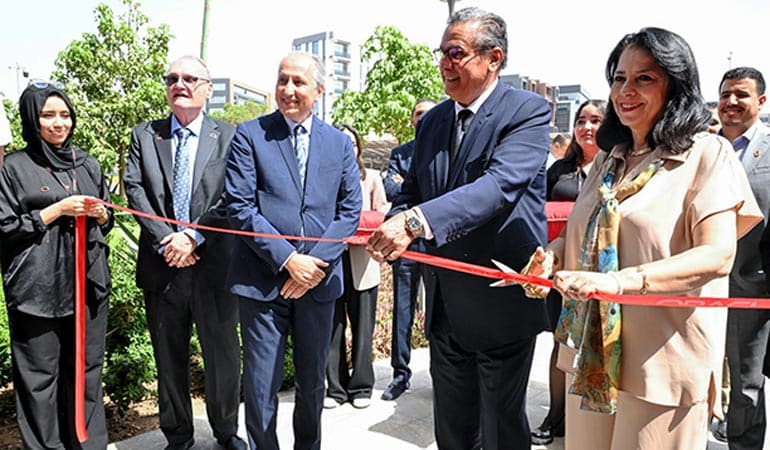
The €51.85m park, financed largely by the African Development Bank, opened formally in May 2025 after operating since November 2023, and includes a data centre, a disaster recovery site and training facilities. It houses 23 companies from seven countries and 311 staff, with all 52 office units taken.
Open Access Data Centres, part of WIOCC Group, set out a $240m multi-phase expansion of its Lagos facility to 24MW, the first 12MW due in 2026. The spend sits inside a wider $500m African build programme aimed at cloud, analytics and AI demand.
The pan-African infrastructure investor took a 42.9% stake in Raya Data Center, alongside $10m from Raya Information Technology, to fund a greenfield Tier III site in Egypt. Raya already runs two Tier III facilities in Cairo, and construction on the new one was set to start in early 2025.
CV Telecom opened bidding on six new submarine segments totalling about 750km to replace end-of-life inter-island fibre, the first project in a Connectivity 2.0 package co-financed by the European Investment Bank at over €80m. Works were set to start in August 2025 and commission by June 2026, ahead of 5G rollout across the islands.